What Happens When a Search Warrant is Issued in Alberta
May 22, 2026
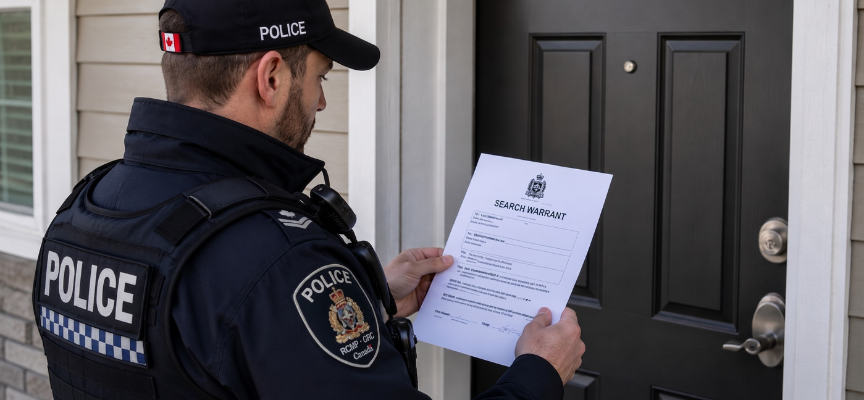
When law enforcement executes a search warrant, it can be a stressful experience. Understanding the process and knowing your rights during such an event is essential. In Alberta, search warrants are typically issued when police have reasonable grounds to believe that evidence of a crime will be found in a specific location.
As an individual facing a search warrant, knowing how the process works and what your rights are can help you navigate the situation with confidence.
Search warrants are powerful legal tools used by law enforcement to gather evidence. But what does it mean for you when a search warrant is executed, and how can you protect your rights?
In this blog, we will explain the search warrant process and what steps you can take to safeguard your rights during the search.
What is a Search Warrant?
A search warrant is an official document that authorizes law enforcement to search a specific location for evidence related to a crime. It is issued by a judge or justice of the peace based on an officer’s sworn statement that there is a reasonable belief that evidence of criminal activity exists at the location to be searched. In Alberta, this process is governed by the Criminal Code of Canada and local regulations.
To obtain a search warrant, law enforcement must present credible evidence to show that a search is justified. Without this evidence, the courts will not grant permission for a search, ensuring that individuals’ privacy rights are respected.
How Search Warrants Work in Alberta
When police want to execute a search warrant, they must first apply for it through the courts. The police officer must present evidence that shows there is a good chance that evidence of a crime is at a specific location. If the judge or justice of the peace agrees, they will issue the warrant.
Once the warrant is granted, police can enter the premises listed on the warrant and search for evidence. The officers must search reasonably and adhere to strict legal procedures to avoid violating an individual’s rights.
The search is not just about gathering evidence related to the specific crime listed on the warrant. If police come across evidence of other crimes, they may apply for additional warrants to seize that evidence. This is why having an experienced criminal defence lawyer in Edmonton is critical when facing a search warrant, to ensure that your rights are respected at every step.
Rights You Have During a Search
Even though law enforcement has the authority to search your home or property, you still have rights that protect you during the process. Here are the most important rights to know:
- Right to Know Why You’re Being Searched
You must be informed of the reason for the search. Police must provide you with a copy of the search warrant or tell you the contents of the warrant. This document will specify the place to be searched and the items they are looking for. If police fail to show you the warrant or fail to explain its contents, it could be grounds to challenge the search later. - Right to Be Present
You have the right to be present during the search. Police are not allowed to search in your absence unless it is impossible to contact you. If you are not home, they can still search but must make an effort to contact you afterward. Additionally, if you or your lawyer ask questions or object, the police must address these concerns during the search, though they are not required to stop the search. - Right to Challenge the Search
If you believe the police are overstepping their bounds or searching beyond the scope of the warrant, you have the right to challenge the search. However, this must be done through legal channels afterward, rather than during the search itself. You cannot physically interfere with the search, but your lawyer can challenge the validity of the warrant later in court. - Right to Legal Counsel
You have the right to contact a criminal defence lawyer in Edmonton if you are uncertain about the search or your rights during the process. It is always a good idea to have a lawyer who can protect your interests and ensure that your rights are upheld throughout the search.
What Can Police Seize During a Search?
Police can seize anything that is outlined in the search warrant. This may include documents, computers, weapons, drugs, or other items that are related to the investigation. If the police find evidence of other crimes that were not listed in the warrant, they must apply for a new warrant to seize those items.
If the police seize items that are not part of the warrant, this could violate your rights, and the evidence obtained could be inadmissible in court. A criminal defence lawyer can challenge improperly seized evidence to ensure that your rights are not violated.
What Happens After the Search?
Once the search is completed, the police are required to leave a detailed inventory of the items they have seized. This inventory must be presented to you or your lawyer within a reasonable time frame. The police may also provide you with a receipt for any items they have taken.
If you believe that your rights were violated during the search or that the police overstepped their authority, you may be able to challenge the search and the evidence obtained in court. A skilled criminal defence lawyer in Edmonton can help you navigate this process and protect your legal rights.
If you were present during the search, you should carefully review the inventory of seized items and note anything that might not be listed or that you feel was unjustly taken.
Legal Recourse and What to Do if Your Rights Are Violated
If you feel that the search was conducted improperly or that your rights were violated, it is important to consult a criminal defence lawyer in Edmonton immediately. There may be legal remedies available, such as having the evidence excluded from trial or challenging the validity of the search warrant itself.
A lawyer will be able to guide you through the legal process and determine whether any actions were taken that could be challenged in court. They can also help you understand whether your privacy rights were infringed upon and whether you may be entitled to compensation or other legal recourse.
Conclusion
A search warrant is a serious legal tool, and understanding the process and your rights during such an event is critical. If you are facing a search, remember that you have the right to know why the search is being conducted, to be present during the search, and to seek legal counsel. Having a skilled criminal defence lawyer by your side can make all the difference in ensuring that your rights are respected and that any legal complications arising from the search are properly addressed.
If you are concerned about the execution of a search warrant or have questions regarding your rights, do not hesitate to contact a qualified criminal defence lawyer in Edmonton for guidance.
About Us
Daryl Royer is a dedicated and experienced criminal lawyer in Edmonton, committed to protecting your rights. With a deep understanding of criminal law and a client-focused approach, we strive to offer the best legal counsel in Alberta. Whether you are facing a search warrant, charged with a crime, or need legal assistance in any criminal matter, we are here to provide you with knowledgeable, reliable, and empathetic legal support. If you are facing a search warrant or need legal representation in a criminal case, do not hesitate to contact us today.